 Julien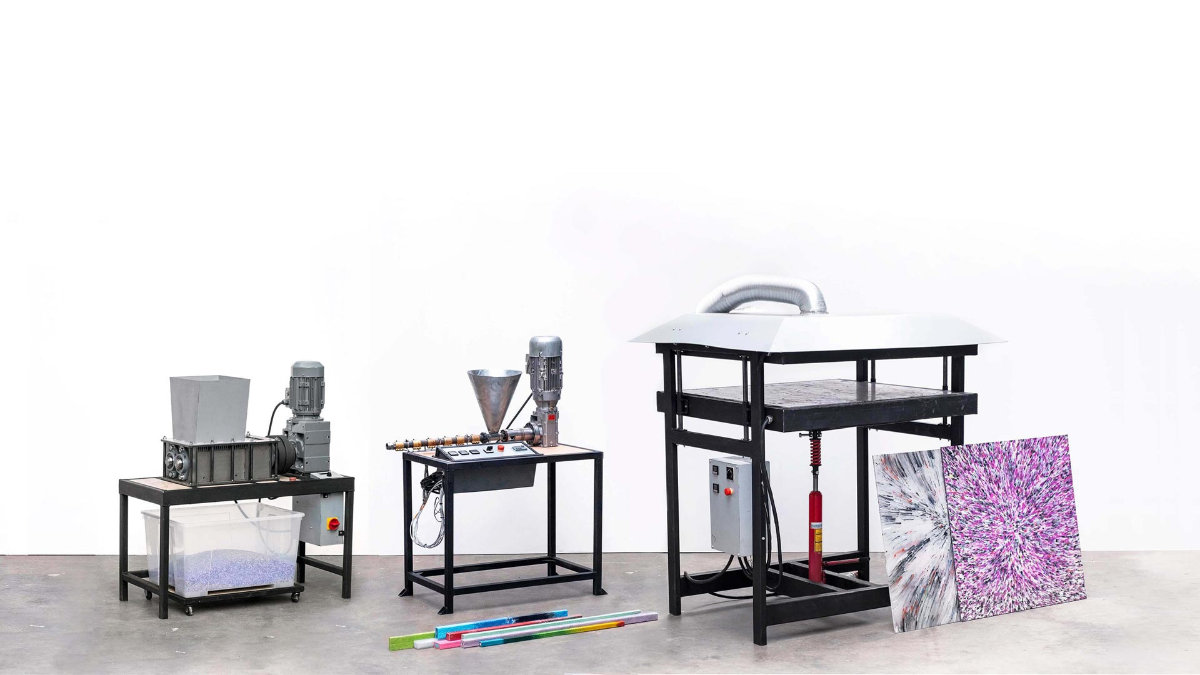
Recycling Plastic with Precious Plastic
Plastic is everywhere in modern life. It is lightweight, durable, and cheap to produce. Unfortunately, those same qualities make it one of the world’s most persistent waste problems. Every year, hundreds of millions of tons of plastic are produced, yet only a small percentage is effectively recycled. Most plastic ends up in landfills, incinerators, or natural environments where it can remain for centuries.
Recycling plastic is one of the most effective ways to reduce pollution, conserve resources, and move toward a circular economy where materials are reused instead of discarded.
Why Plastic Recycling Matters
Plastic recycling consists of collecting, sorting, processing, and transforming used plastic into new materials or products. When done properly, it delivers several key benefits:
Reduces plastic pollution in oceans, rivers, and landfills
Lowers demand for virgin plastic made from fossil fuels
Saves energy compared to producing new plastic
Encourages local reuse and circular material flows
Despite these advantages, traditional recycling systems face major challenges. Many plastics are difficult to sort, expensive to process, or simply not profitable at an industrial scale. As a result, large amounts of recyclable plastic are never recycled.
This is where decentralized and community-driven solutions become essential.
What Is Precious Plastic?
Precious Plastic is a global open-source initiative that enables people to recycle plastic locally. Founded by Dave Hakkens, the project provides free access to tools, knowledge, and designs that allow individuals and communities to build their own small-scale plastic recycling systems.
Instead of relying on large industrial facilities, Precious Plastic focuses on local action. The project shares detailed plans to build machines that can:
Shred plastic waste
Melt plastic safely
Inject or compress plastic into molds
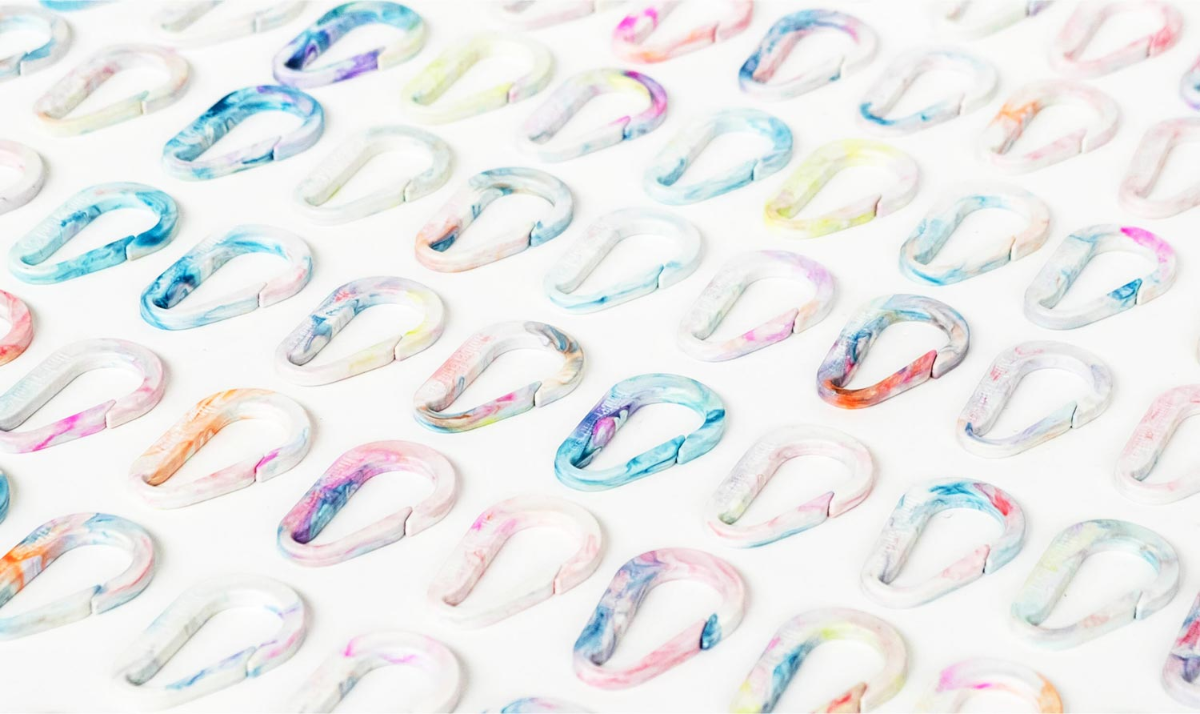
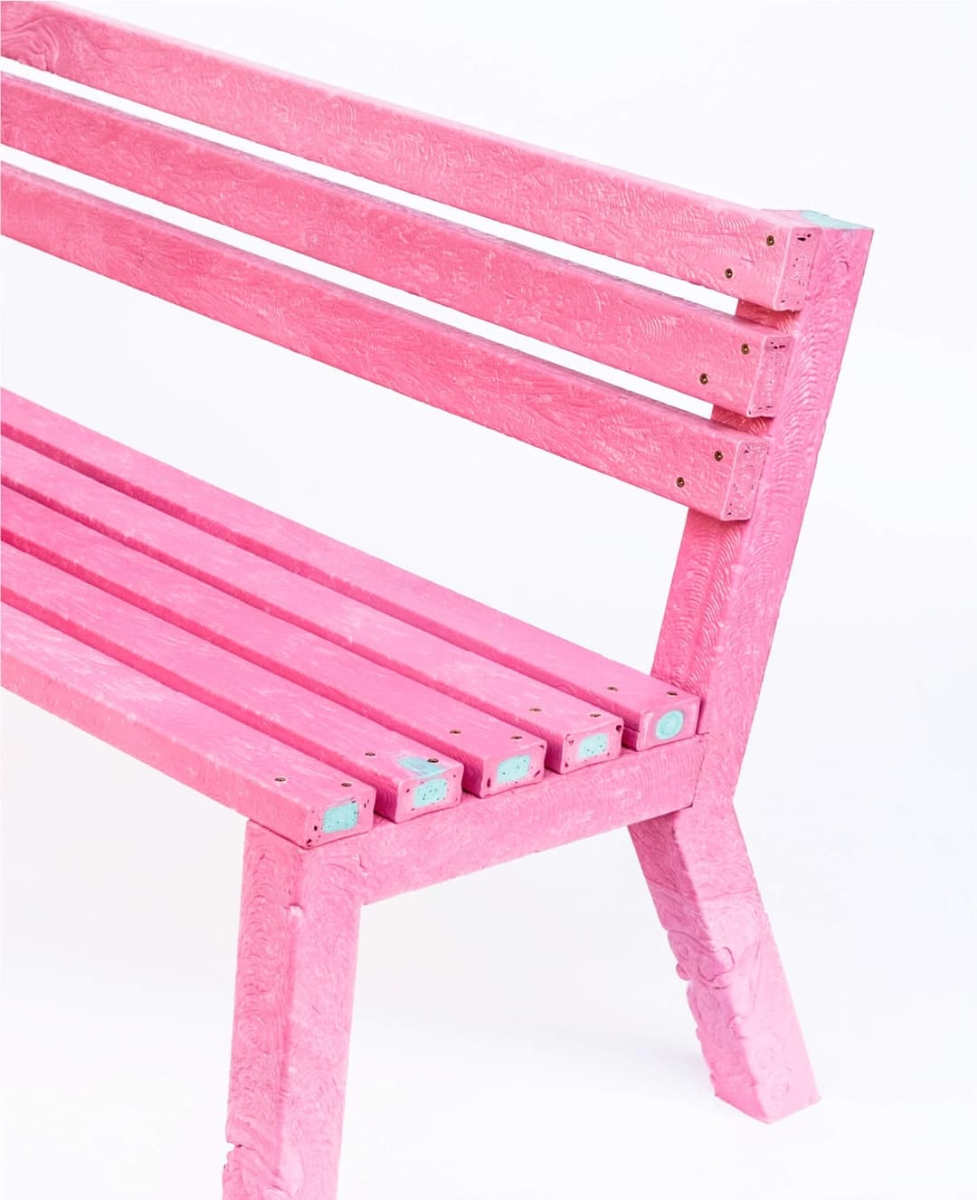
Create new products such as tiles, panels, furniture, and everyday objects
All designs, documentation, and educational resources are open source and freely available on the official website: https://www.preciousplastic.com/
A Global Community Approach
Precious Plastic is more than a set of machines. It is a worldwide network of makers, recyclers, schools, workshops, and small businesses. People use the system to clean up local waste streams, educate their communities, and even create sustainable sources of income.
By keeping recycling local, Precious Plastic helps:
Reduce transportation emissions
Increase transparency around where waste goes
Create local jobs and skills
Turn plastic waste into something valuable
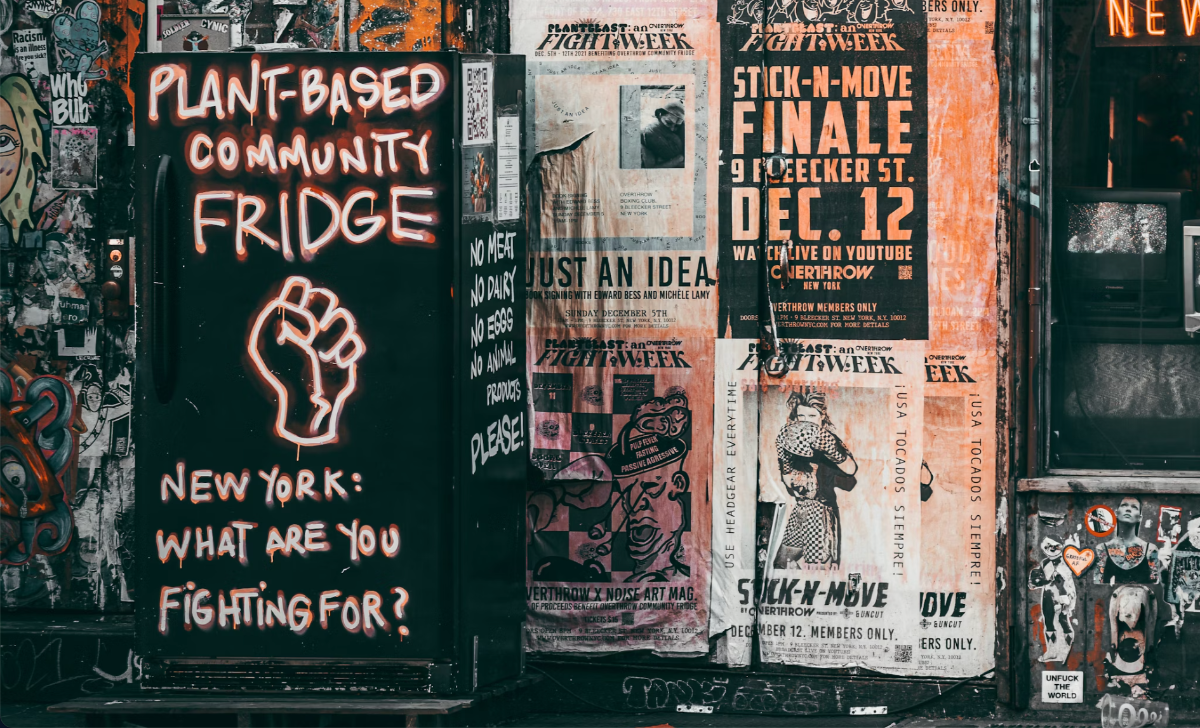
Many workspaces operate as community hubs, combining environmental education with hands-on making and design.
From Waste to Useful Products
One of the most powerful aspects of Precious Plastic is its focus on transformation. Plastic waste is not just recycled into raw pellets. It is turned into tangible objects that people can see, use, and sell. This helps change how plastic is perceived, from disposable trash to a reusable material with real value.
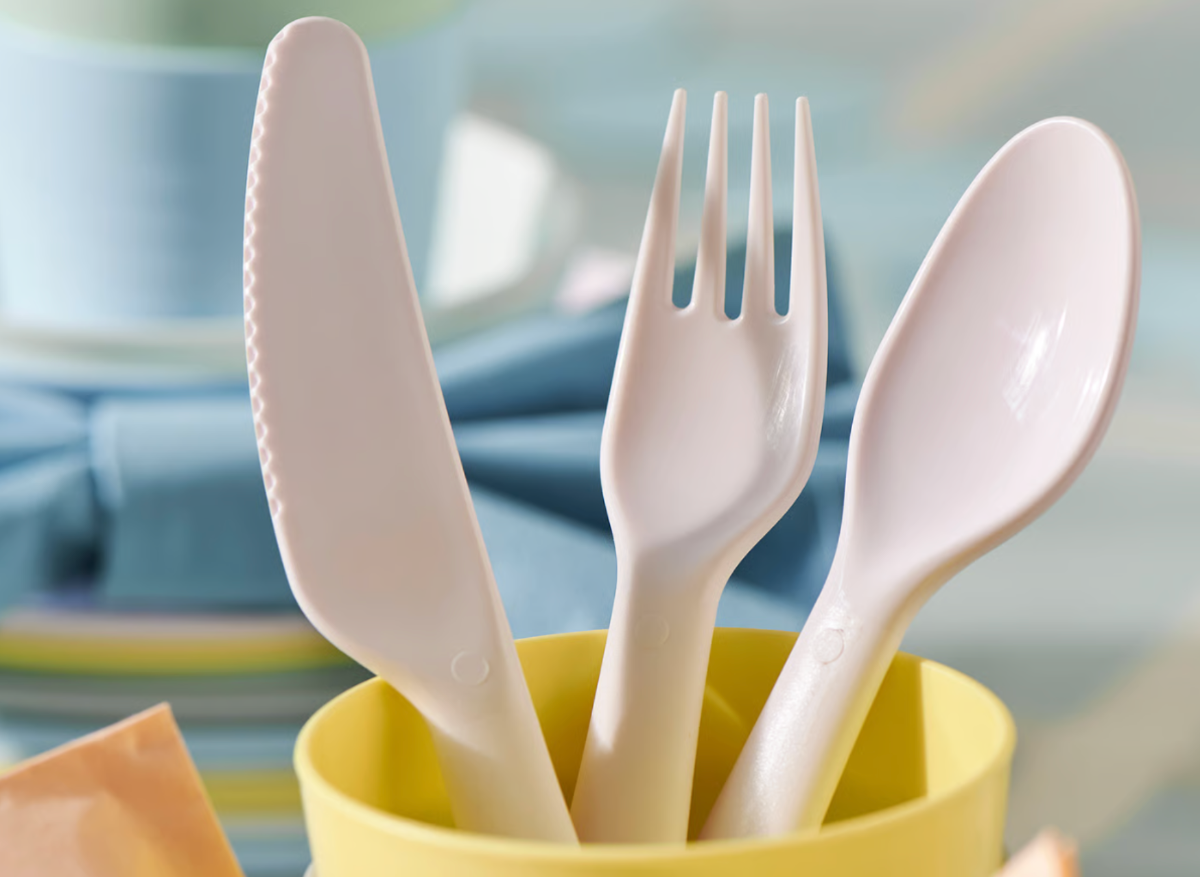
Common products include construction panels, household items, outdoor furniture, and design objects. Each item tells a story about material reuse and responsible production.
Getting Involved
Anyone can participate in the Precious Plastic ecosystem. You can start small or scale up depending on your goals.
Ways to get involved include:
Building a machine using the open-source plans
Joining or supporting a local Precious Plastic workspace
Using recycled plastic products
Educating others about plastic waste and circular design
Plastic recycling does not have to be distant or industrial. With the right tools and shared knowledge, it can happen locally, visibly, and collaboratively.
A Circular Future Starts Locally
Recycling plastic is not a complete solution to the plastic crisis, but it is a critical part of it. Projects like Precious Plastic show that meaningful change can start at the community level. By empowering people to take control of their waste, we move closer to a world where materials stay in use and pollution is no longer the default outcome.