 Julien
Community care isn’t just a trend — it’s infrastructure. Little Free Pantries (LFPs) and Little Free Fridges (LFFs or “Freedges”) are neighborhood-powered food sharing stations where anyone can give what they can and take what they need. Similar to Little Free Libraries, they run on community participation, trust, and local generosity.¹ ²
These micro food-access points are incredibly impactful in supporting neighbors facing food insecurity, minimizing waste, and creating a culture of mutual aid. And the best part? You can start one in your own community. Here’s how.
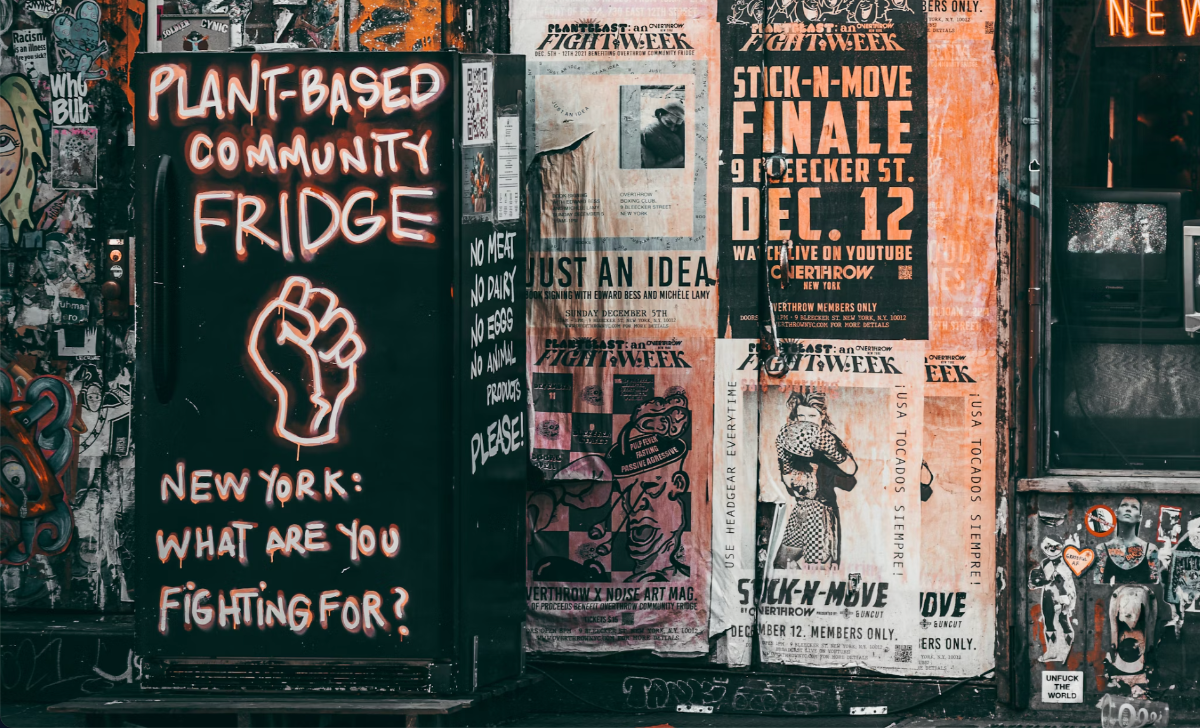
🧃 What’s the difference between a Pantry and a Fridge?
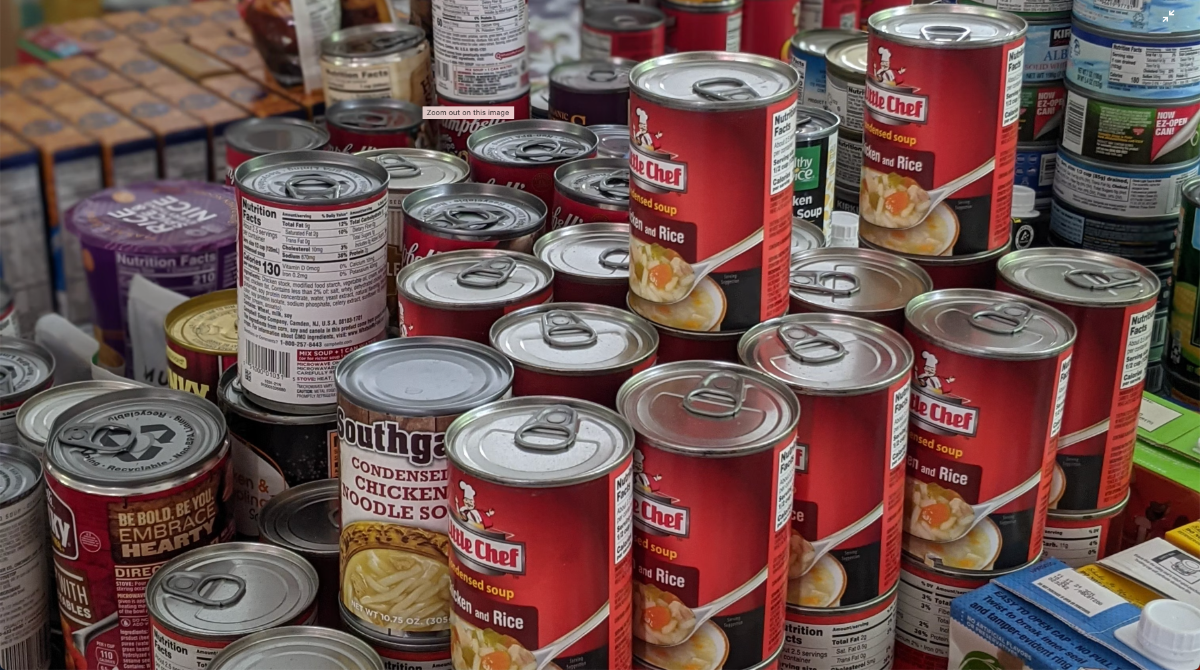
A Little Free Pantry (LFP) is a non-refrigerated structure — often wooden with shelves — stocked with canned goods, dry foods, and other non-perishables. It needs to be weatherproof but doesn’t require electricity.
A Little Free Fridge (LFF), also known as a Freedge, is powered and temperature-controlled. It can be an actual refrigerator, cooler, or sheltered appliance, and typically holds produce, drinks, and refrigerated items. It must remain plugged in and be checked often to ensure food stays fresh and safe.
Both serve the same purpose: free, open-access food sharing for the community.³ ⁴
1. ✅ Get clear on local rules & food safety
Before installing anything, check:
Zoning laws (some cities regulate outdoor structures)
Permit requirements
HOA rules if applicable
Local food-sharing regulations
In the U.S., the Good Samaritan Food Donation Act provides legal protection when donating food through nonprofits, and some states extend protections further. Canada also provides broad protections for person-to-person food sharing.⁵ ⁶ ⁷
Tip: Lawsuits are rare — but doing 10 minutes of research protects your community project long term.
2. 📍 Pick a community-first location
Choose a spot that is:
Easy and safe to access 24/7
Walkable with foot traffic
Not blocking sidewalks or easements
Not in high-crime or high-traffic vehicle areas
Near shade (for pantries) or near power (for fridges)
If your area gets hot, face the structure north or east to avoid direct sun.⁴
3. 🛠 Build (or upcycle) your pantry or fridge
You can:
Build from scratch (weatherproof wood is best for pantries)
Repurpose an outdoor cabinet, shed, or locker
Turn a donated fridge into a community freedge
Decorate it to be bright, clear, and inviting
Important build notes:
Sand down wood (no splinters)
Waterproof and seal corners
Use outdoor paint and caulking
Make it sturdy enough for heavy daily use
Label it clearly so people know it’s free and for everyone⁴
Fridges must be plugged in 24/7, so plan for electricity costs or shared support.⁸
4. 🧼 Keep it stocked, safe, and clean
Pantry-friendly:
Canned goods, pasta, rice, snacks, cereal
Hygiene items (toothpaste, soap, menstrual products)
Household goods (detergent, sponges, diapers)
Fridge-friendly:
Fresh produce, drinks, refrigerated meals
Avoid raw meat/dairy in many cases due to safety rules⁸
Maintenance tips:
Encourage labeling donation dates (especially cold items)
Check daily for expired or spoiled food
Do a weekly deep clean
Organize shelves so nothing gets lost in the back⁴ ⁸
Fun community hack: neighbors can drop their extra “buy-one-get-one” items to keep stock flowing.
5. 📣 Spread the word (it won’t fill itself!)
Get your community involved:
Post in local Facebook groups or Discords
Print flyers for neighbors
Let local cafés and grocery stores know
Encourage schools, churches, and community orgs to participate
The more people who feel ownership, the more sustainable it becomes.³ ⁴
Why this matters 🧡
Little Free Pantries and Fridges:
Provide immediate support with dignity
Reduce food waste at a hyper-local level
Strengthen neighborhood connection
Normalize community care as a daily practice
Create a safety net — without gatekeeping, applications, or stigma¹ ² ³
It’s not just a box of food. It’s a signal:
“We take care of each other here.”
References
Little Free Pantry — About the Movement
https://www.littlefreepantry.org/Freedge — Community Fridge Network
https://freedge.org/Shareable — Guide to Little Free Pantries and Fridges
https://www.shareable.net/how-to-create-a-little-free-pantry-or-fridge/Little Free Pantry — Build & Install Basics
https://www.littlefreepantry.org/buildUSDA — Good Samaritan Food Donation Act
https://www.usda.gov/foodlossandwaste/donatingUniversity of Arkansas School of Law — Food Recovery Legal Guide
https://law.uark.edu/documents/food-recovery-guide.pdfGovernment of Canada — Food Donation Liability Protections
https://www.canada.ca/Freedge — Safety & Setup Guidelines
https://freedge.org/food-safety-guidelines/